

Dental Implants in Silver City
Choosing how to replace a missing or non-restorable tooth starts with determining whether your gums and jawbone can support an implant and which restoration fits your needs. Unlike a removable replacement, an implant replaces the root portion of a tooth and supports a crown, bridge, or full-arch restoration.
Sherman Dental provides dental implant treatment for one or more missing teeth. We examine your teeth, gums, jawbone, bite, existing restorations, and relevant medical conditions. We also take x-rays and consider your medications and the number of teeth that need to be replaced. Dr. John Sherman is an Associate Fellow of the American Academy of Implant Dentistry. This cosmetic dentistry option may provide a long-term replacement when your oral and general health support treatment. Our staff members speak English and Spanish.
Contact Sherman Dental at (575) 888-8955 today to schedule an appointment for a dental implant consultation in Silver City.
Implant Planning with an American Academy of Implant Dentistry Associate Fellow
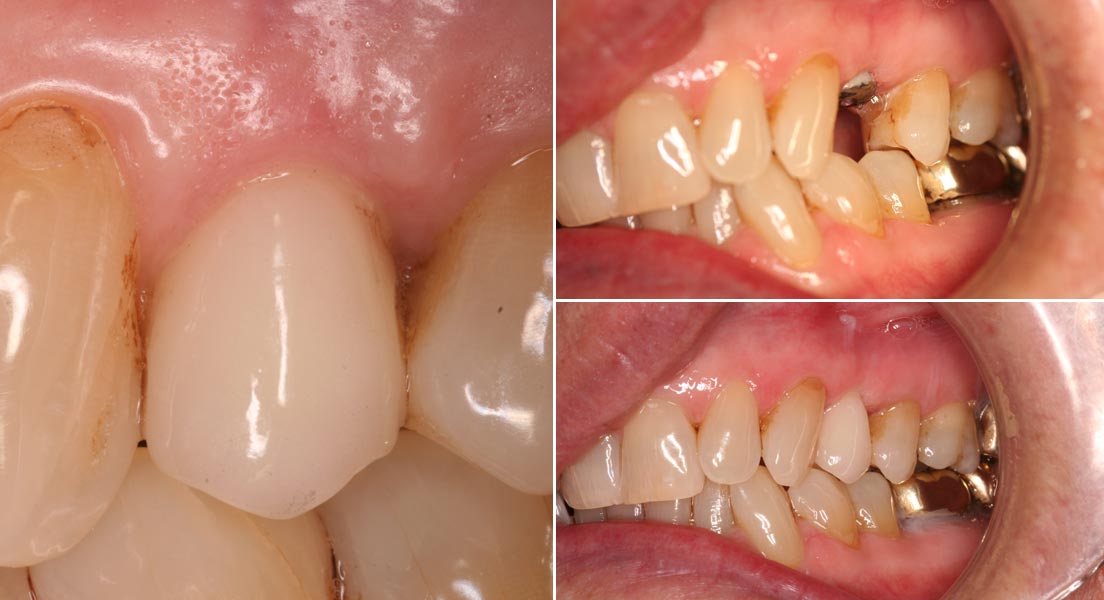
A titanium dental implant is positioned in the jawbone to act as the foundation for a replacement tooth. The visible portion is a restoration selected for the number and location of missing teeth.
We can use dental implants as foundations for All-on-4 teeth, or we can create a cosmetic crown to act as the visible part of a tooth above an individual implant. All-on-4 is an implant-supported option for patients who have lost most or all teeth in an arch. Multiple implants may also support a fixed bridge when several adjacent teeth are missing.
Important differences among these options include:
- Single-tooth implants: One implant supports one replacement tooth without using adjacent teeth as the primary foundation.
- Implant-supported bridges: Multiple implants support replacement teeth across a larger gap.
- Full-arch restorations: A group of implants supports an arch of replacement teeth, including All-on-4 treatment when appropriate.
The treatment decision also accounts for chewing function, speech, appearance, cleaning requirements, and the condition of your remaining teeth. Implant-supported teeth are fixed to implants in the jawbone rather than relying solely on neighboring teeth or removable denture stability. We explain which design fits your mouth and what daily maintenance that restoration requires.
Dental Implant Candidacy in Silver City
Many people who have lost a tooth wonder if implants are a realistic option for them. Candidates generally need healthy gum tissue, adequate jawbone at the planned implant site, and the ability to maintain good daily oral hygiene. During your consultation, we evaluate existing restorations, your bite, and any medical conditions that might affect healing so you can make an informed choice about treatment.
Even if you have worn a denture or bridge for years, you may still be evaluated for dental implants in Silver City after additional planning. In some cases, we may recommend bone grafting to add bone to thin areas of the jaw or periodontal therapy to improve gum health before placing an implant. A damaged or infected tooth may also need to be extracted as part of the treatment sequence.
During the visit, we also talk about lifestyle factors such as tobacco use, uncontrolled diabetes, or medications that can slow healing. These factors don’t automatically determine candidacy, but they can affect the recommended timing, preliminary care, and prognosis. We’ll explain the expected treatment phases and whether a single tooth, bridge, or full-arch solution is appropriate for your needs.
What to Expect During Dental Implant Treatment
Dental implant treatment begins with a medical history review, an examination, and imaging of the jawbone. We then outline the expected visits and planned restoration. The number of appointments and total treatment time depend on the number of missing teeth, available bone, gum health, and whether an extraction or graft is needed.
If we need to extract a severely broken or decayed tooth before placing your dental implant, we can complete that step first. Implant placement may occur at a later appointment, although the sequence depends on the condition of the site. A titanium implant may take 4 to 6 months to integrate with your jawbone. This process is called osseointegration, which means the bone heals around and stabilizes the implant.
The treatment sequence may include:
- Consultation and imaging: We examine your teeth, gums, bite, existing restorations, and jawbone.
- Preliminary care: An extraction, periodontal treatment, or bone graft may be recommended before placement.
- Implant placement: The implant is positioned in the planned area of the jawbone.
- Healing and follow-up: We monitor the tissue response and implant integration over the following months.
- Restoration: We take impressions or digital records and attach the final crown, bridge, or full-arch restoration when the implant is ready.
During the placement appointment, we numb the treatment area and discuss available comfort options. We provide written post-operative instructions and schedule follow-up visits to monitor healing. A temporary replacement may be available when appropriate, but the temporary option depends on the implant location, bite, and overall treatment plan.
For an individual tooth replacement, we create a custom abutment to secure the dental crown. An abutment is the connector between the implant in the jawbone and the visible restoration. We check the fit and bite before completing the final implant-supported crown.
Bone Grafting before Dental Implant Placement
Bone grafting may be recommended when the jawbone is too thin or deficient to support the implant position. The procedure adds or preserves bone in the treatment area. The type of graft and its timing depend on how much bone is available, where the implant is planned, and whether a tooth also needs to be removed.
A graft may be completed during an extraction or as a separate phase of treatment. Some grafts require a healing period before implant placement. In advanced cases, gum grafting or periodontal treatment may also be needed to prepare the tissues around the proposed implant site.
We can explain whether grafting is recommended, where it fits in the sequence, and how it may change the number of appointments or expected timeline before deciding whether to proceed.
Dental Implant Surgery Recovery
The recovery period after dental implant surgery varies according to the procedure, bone condition, gum health, and general health. Initial soreness and swelling may last a few days, while osseointegration can continue for several months. Soft-tissue recovery and implant integration aren’t the same stage, so feeling better doesn’t necessarily mean the implant is ready for its final restoration.
We provide instructions covering oral cleanliness, food and beverage restrictions, prescribed medication use, and tobacco avoidance. Follow the directions provided for your procedure rather than relying on a general recovery schedule.
Early recovery instructions may include:
- Follow your medication plan: Take prescribed medications exactly as directed.
- Manage swelling: Use cold compresses for the intervals listed in your instructions.
- Choose appropriate foods: Eat soft foods while the surgical site is tender and avoid foods your instructions restrict.
- Keep your mouth clean: Rinse and brush according to the directions provided after surgery.
- Avoid tobacco: Don’t smoke or use other tobacco products during healing.
- Limit strenuous activity: Rest for the period recommended after your procedure.
Some patients return to work or school within a day or two, but the appropriate timing depends on the extent of treatment and individual recovery. Follow-up appointments allow us to evaluate the tissue response and implant integration. Contact our office if pain, swelling, bleeding, or another symptom is worsening, unexpected, or inconsistent with your written instructions.
Once healing is complete, we move to the restoration phase. We take records to design the crown, bridge, or full-arch restoration and evaluate its fit against your bite and surrounding teeth. The final restoration is attached only after the implant site is ready for that stage.
Daily Care & Dental Implant Maintenance
Caring for dental implants is similar to caring for natural teeth. Implant restorations require plaque control around the gumline and professional monitoring of the implant, restoration, and surrounding tissues.
For daily care at home, focus on these habits:
- Brush twice a day: Use a soft-bristled toothbrush to remove plaque along the gumline.
- Clean between teeth: Use the floss, interdental brush, water flosser, or other tool recommended for your restoration.
- Attend regular checkups: Let us monitor the implant, restoration, gums, bite, and surrounding teeth.
- Wear a nightguard: Use one when recommended to limit forces from clenching or grinding.
- Avoid tobacco: Tobacco use can interfere with the health of the tissues around an implant.
We demonstrate how to clean around the implant and along the gumline during your visits. The appropriate tool depends on whether you have an individual crown, implant-supported bridge, or full-arch restoration. Patients with a history of periodontal disease may need a maintenance schedule based on their gum health and plaque-control needs.
Avoid chewing ice, pens, or other hard objects that can place unnecessary pressure on the restoration. If you grind your teeth, we can discuss whether a nightguard is appropriate. Consistent home care doesn’t guarantee how long an implant lasts, but it remains an important part of protecting the implant restoration and surrounding tissues.
Dental Implant FAQs
How Long Can the Complete Dental Implant Process Take?
The process may take several months because the implant needs time to integrate with the jawbone before the final restoration is attached. The timeline can be longer when extraction, bone grafting, or periodontal care is needed first.
What Foods & Activities Should I Limit After Implant Surgery?
Your instructions may call for soft foods, limits on strenuous activity, and avoidance of tobacco while the site heals. Follow the directions provided for your procedure because restrictions vary with the location and extent of treatment.
Can Gum Disease Be Treated Before I Receive Dental Implants?
Yes. Active periodontal disease may need to be treated before implant placement so the gums can provide healthier support around the planned site. Your maintenance needs will depend on your gum health and history.
What Should I Do About Unexpected Pain, Swelling, or Bleeding?
Contact our office if symptoms worsen, appear unexpectedly, or don’t match your written post-operative instructions. We can determine whether you need an examination or a change to your care plan.
Is Cleaning an Implant Different from Cleaning Natural Teeth?
Both require brushing and cleaning along the gumline, but the recommended tools may differ. We may suggest floss, an interdental brush, a water flosser, or another tool based on the design of your restoration.
Dental Implant Costs, Insurance & Payment Planning
The cost of dental implant treatment varies with the number of teeth being replaced, the restoration type, and the diagnostic work required. Extraction, bone grafting, periodontal care, custom abutments, and multiple treatment phases can also affect the estimate. We provide upfront pricing and time allotments as part of individualized treatment planning.
Your written estimate can distinguish the implant procedure from the abutment, crown, bridge, or full-arch restoration. It can also identify preliminary procedures and the expected timing of each phase. This allows you to review the complete recommendation before treatment begins.
Dental insurance benefits differ by plan and may apply differently to each part of implant treatment. We accept Delta Dental and United Concordia and can submit claims to other insurance companies, although out-of-network costs may apply. Patients who qualify may also have access to payment plans.
Before relying on an insurance estimate, review the plan’s deductibles, annual maximums, waiting periods, exclusions, and coverage percentages. We can discuss the treatment estimate and available payment arrangements, but your insurance carrier determines the benefits paid under your policy.
Plan Your Dental Implant Consultation
A dental implant consultation gives you a clear starting point for replacing one tooth, several teeth, or a full arch. We can evaluate your gums and jawbone, explain the available restoration options, and identify whether extraction, grafting, or periodontal care may be needed first.
We can provide information about the proposed sequence, expected visits, healing time, and estimated cost. The goal is to determine whether implant treatment or another tooth-replacement option fits your oral health and treatment needs.
Call (575) 888-8955 to schedule your dental implant consultation with Sherman Dental.





-
“Dr. Sherman is a solid human. And a Damn good dentist, with an always solid team around him. Is clear about any issues I’ve had and has easily explained and shown me what the issues are. Not pushy at all and has respected my input. He’s a no pain dentist as well. If he didn’t keep telling me to open my mouth wider, I’d easily fall asleep while he’s ... ”
- Douglas H. -
“Simply outstanding service and staff. I had a painful dental emergency over the weekend while passing through the area. Left message on a Saturday and Monday morning I was in the chair and seeing Dr. Sherman. The staff personable, compassionate to my needs and true professionals, they were able to squeeze me into the busy schedule. I even got some solid ... ”
- Stephen G. -
“They got me in very quickly for a crown that I had done at another place yesterday that fell off last night. Everyone was friendly, their covid precautions were both excellent and exactly what they said they would be, which I very much appreciate. He was gentle and calm, professional and explained everything very well. Everyone there was friendly, calm, ... ”
- Brenna T. -
“This Dental office was the 1st to offer assistance to work with the VA on the billing side of the house. All veterans know it’s a pain and a hassle. This is where all veterans in our area need to go as a 1st option. This is aside from the professional service and hospitality ////Retired Military//// ”
- Dennis C. -
“Reviewing my first visit with Dr. Sherman. I got an emergency appt. for a toothache and was examined and told I needed a crown. They gave me another appointment for 9 am the next morning and by 11:30 I was on my way with a new crown and no toothache. I was very pleased with Dr. Sherman and also his staff and I expect to be a regular patient there now. ”
- Robert L. -
“Best dental experience to date! I am new to the area and I broke a tooth. They got me in promptly and I had a permanent crown placed in just one visit! Everyone was very friendly and professional. It was a VERY pleasant experience! ”
- Trista H.
Whether you have questions or you're ready to make an appointment, our team is ready to help.